
Introduction: Why Packaging Matters

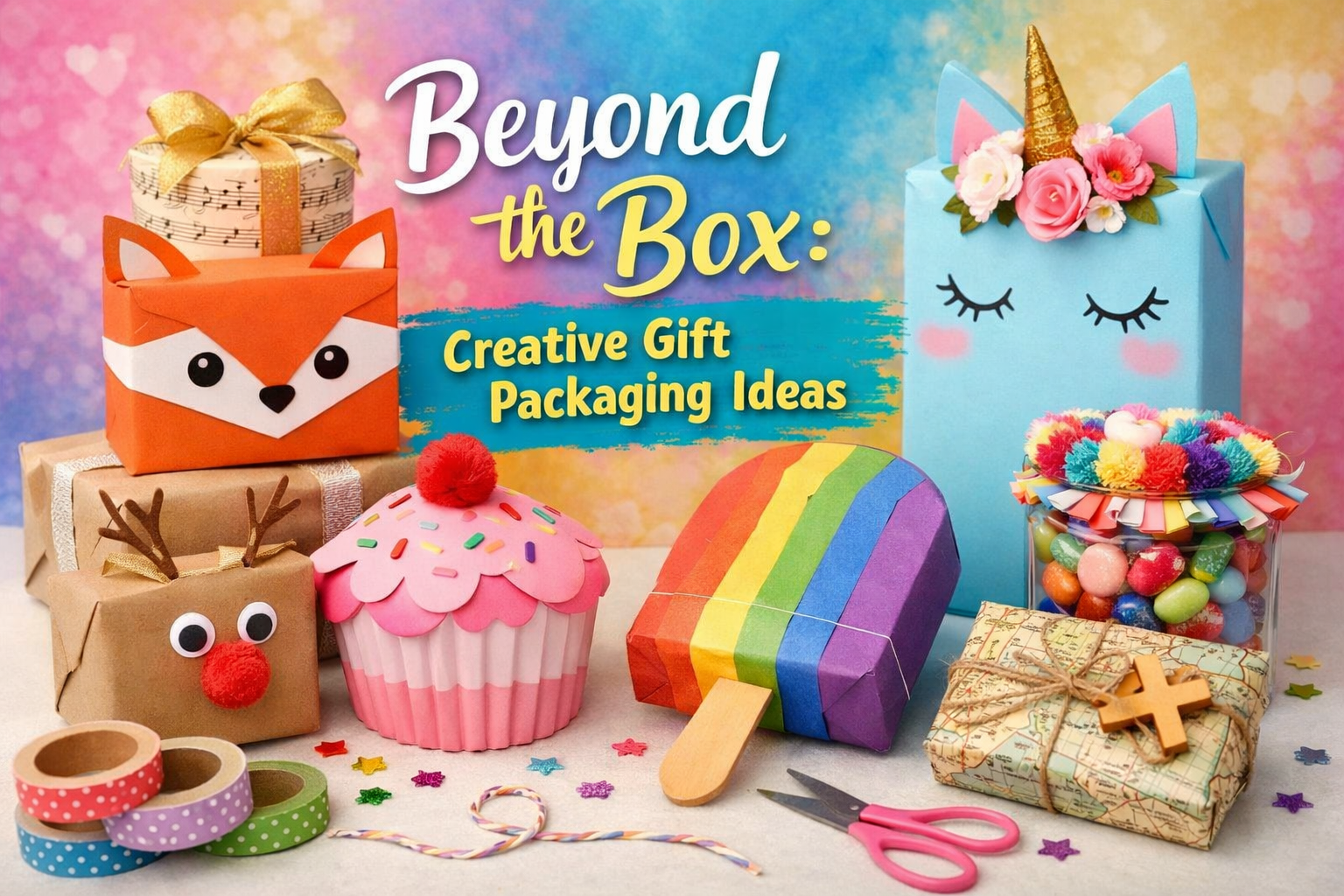
Gift packaging is more than a protective shell—it is the first emotional touchpoint between the giver and the recipient. Before a gift is opened, its exterior sets expectations, communicates care, and hints at the experience inside. Thoughtful packaging can elevate even the simplest present into something memorable, while generic wrapping can diminish the impact of an otherwise meaningful gift. In a world where presentation is increasingly shared through photos and social media, creative packaging has become an extension of personal expression. Going beyond the traditional box allows you to tell a story, create anticipation, and turn the act of unwrapping into an experience in itself.
The Psychology of Presentation
Human perception is strongly influenced by visual and tactile cues. Colors, textures, and shapes subconsciously affect how we judge value and intent. Soft materials suggest warmth and intimacy, while structured forms convey luxury and precision. The weight of a package, the resistance of a ribbon, or the sound of layered wrapping being opened all contribute to emotional engagement. When packaging is designed with intention, it builds curiosity and heightens appreciation for the gift inside. This psychological layering is why creative packaging often leaves a longer-lasting impression than the object alone.
Sustainable and Eco-Conscious Packaging
Modern gift packaging increasingly balances beauty with responsibility. Reusable containers, recycled paper, fabric wraps, and biodegradable fillers reduce waste while adding character. Materials like kraft paper, linen, jute, and wood communicate authenticity and environmental awareness. Sustainability does not mean sacrificing elegance; minimal design paired with natural textures often feels more refined than glossy excess. Choosing eco-conscious packaging also reflects the giver’s values, adding another layer of meaning to the gift and making the presentation feel thoughtful rather than disposable.
Personalization Through Detail
Personalization transforms packaging from generic to intimate. Handwritten notes, custom tags, wax seals, monograms, or color palettes chosen with the recipient in mind all signal care and effort. Even small details—such as a ribbon in a favorite color or an inside lining printed with a meaningful pattern—can make the recipient feel seen. Personalized packaging does not require expensive materials; it requires attention. The goal is to create a sense that the gift was designed specifically for one person, not pulled from a shelf.
Multi-Sensory Packaging Experiences
Exceptional packaging engages more than sight alone. Texture, sound, and even subtle scent can enhance the unwrapping moment. Layered packaging that reveals the gift gradually builds anticipation, while contrasting materials—smooth paper against rough twine, for example—create tactile interest. Some packaging includes dried flowers, herbs, or lightly scented tissue paper to evoke emotion before the gift is revealed. When multiple senses are involved, the experience becomes immersive, turning the act of opening into a memorable ritual rather than a quick step.
Elevating Fragrance-Related Gifts
When presenting fragrance-based presents, packaging plays a crucial role in communicating elegance and intention. Carefully designed wrapping can turn perfume gift ideas into a refined experience rather than a simple exchange. Structured boxes lined with soft fabric, decorative sleeves, or keepsake containers help convey the artistry behind the scent. For special occasions, perfume gift ideas benefit from layered packaging that builds anticipation, while understated designs suit more intimate moments. Thoughtful presentation ensures perfume gift ideas feel personal, luxurious, and emotionally resonant without overwhelming the recipient.
Cultural and Artistic Inspirations
Drawing inspiration from global traditions can add depth and originality to gift packaging. Japanese furoshiki fabric wrapping emphasizes reuse and artistry, while Mediterranean styles often incorporate natural fibers and earthy tones. Vintage European packaging influences favor ornate typography and layered papers, evoking nostalgia and craftsmanship. By borrowing elements from different cultures or artistic movements, packaging becomes a creative expression rather than a standard format. This approach also allows the giver to align the presentation with the recipient’s interests or heritage.
DIY Creativity vs. Luxury Finishes
There is no single “correct” level of packaging sophistication. Handcrafted, do-it-yourself packaging offers authenticity and charm, while luxury finishes communicate polish and exclusivity. DIY elements such as hand-stamped paper or custom-cut inserts show time investment, whereas premium materials like magnetic closures, embossed surfaces, and foil accents signal refinement. The key is consistency: materials, colors, and structure should align with the tone you want to convey. Whether simple or extravagant, cohesive design always feels intentional.
Occasion-Driven Packaging Concepts
Different occasions call for different packaging approaches. Celebratory events may benefit from bold colors and playful layers, while milestone moments often suit understated elegance. Seasonal packaging—using textures, tones, or motifs associated with a particular time of year—adds contextual relevance. Thoughtful packaging anticipates how and when the gift will be opened, ensuring the presentation complements the emotional significance of the moment rather than distracting from it.
Protection, Storage, and Longevity
Creative packaging should balance aesthetics with practicality. A well-designed package protects the gift during transport and offers potential for reuse or storage. Sturdy construction, secure closures, and quality materials ensure the packaging blogs remains intact long after the initial reveal. When packaging is durable and attractive, it often becomes part of the gift itself—a keepsake box, decorative container, or functional storage item that continues to add value over time.
Emerging Trends in Gift Packaging
Contemporary gift packaging continues to evolve alongside design, technology, and consumer values. Modular packaging, interactive elements, and minimalist branding are becoming more common, while personalization and sustainability remain central themes. As expectations rise, creative packaging is no longer an afterthought but an integral part of the gifting experience. By thinking beyond the box, presentation becomes a meaningful extension of the gift, reinforcing emotion, intention, and connection from the very first glance.