

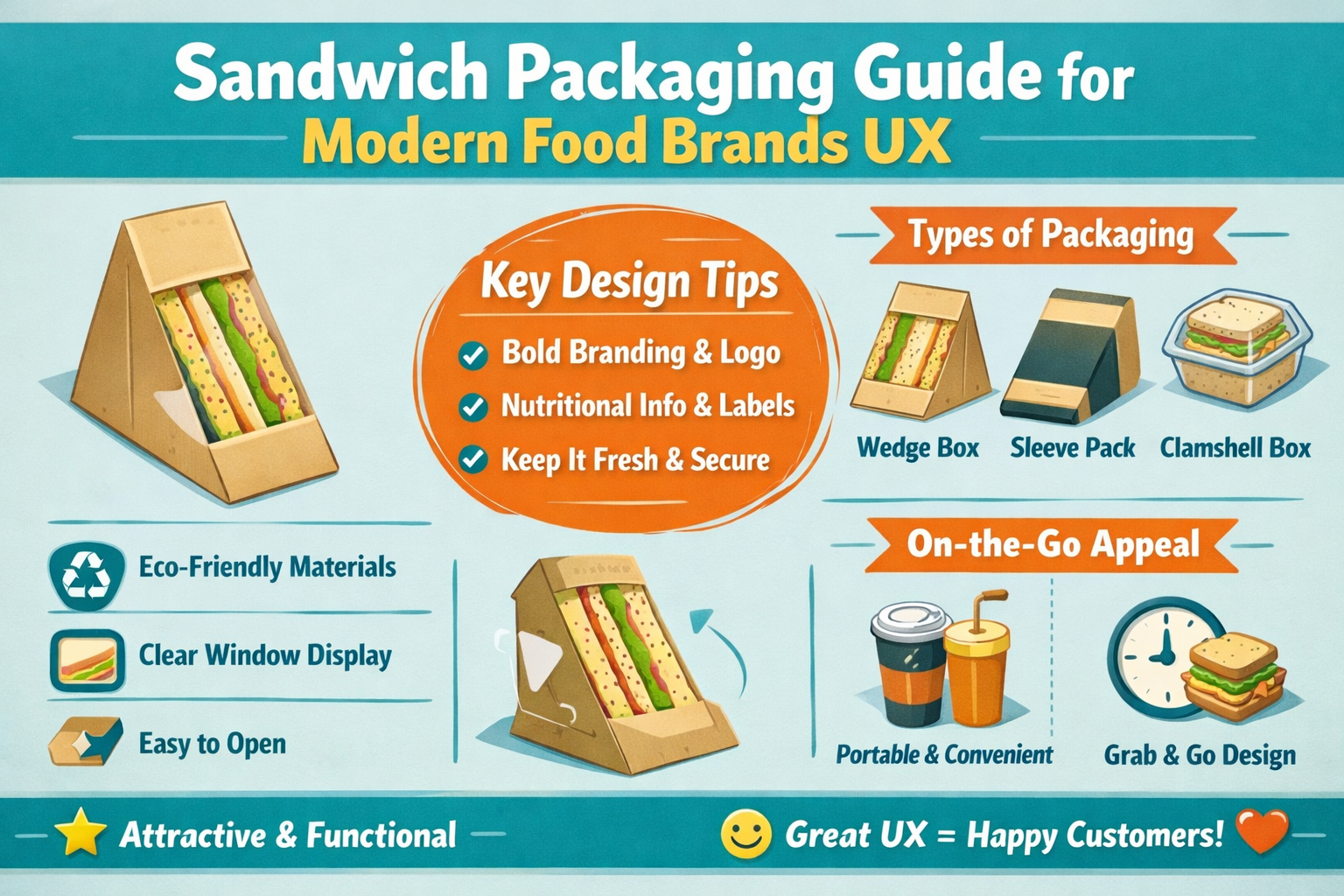
Introduction: The Role of Smart Sandwich Packaging
In today’s competitive food service industry, packaging is no longer just a container; it is a critical business tool. Cafes, bakeries, takeaway brands, and delivery-focused food businesses depend on packaging to protect food quality, ensure hygiene, support branding, and enhance customer experience. Among the most commonly used solutions, the sandwich box and sandwich trays with lids play a vital role in how fresh food is stored, transported, and presented. Understanding these packaging options helps businesses make informed decisions that directly affect customer satisfaction, operational efficiency, and brand perception.
As consumer expectations continue to rise, food packaging must balance practicality, safety, sustainability, and visual appeal. This article explores sandwich boxes and sandwich trays with lids in depth, explaining their differences, benefits, materials, and strategic value for modern food businesses.
What Is a Sandwich Box?
A sandwich box is a fully enclosed food packaging solution designed to hold complete sandwiches securely. It typically features a foldable structure with locking flaps that prevent the sandwich from shifting during handling and transport. Sandwich boxes are widely used in grab-and-go food retail environments where speed, convenience, and presentation matter.
From a business perspective, a sandwich box offers consistency. Each sandwich is packed in a standardized format, making it easier to stack, store, and display. The enclosed design also protects the sandwich from external contamination, helping maintain freshness and food safety throughout the supply chain. This makes sandwich boxes particularly suitable for pre-packed items in cafes, supermarkets, and takeaway counters.
What Are Sandwich Trays with Lids?
Sandwich trays with lids are open-base containers paired with a separate or attached lid. Unlike a traditional sandwich box, the tray allows the sandwich to sit more naturally, often with visible layers and fillings. The lid, usually clear or semi-transparent, protects the food while allowing customers to see the product inside.
These trays are especially popular in premium food service settings where visual presentation influences buying decisions. Sandwich trays with lids offer flexibility in portion size and food arrangement, making them ideal for artisan sandwiches, wraps, or mixed food items. They also support faster packing during busy service hours, as trays are easy to load and close.
Sandwich Box vs Sandwich Trays with Lids
The primary difference between a sandwich box and sandwich trays with lids lies in structure and presentation. A sandwich box fully encloses the product, offering maximum protection and uniformity. This makes it ideal for transport-heavy use cases such as delivery services or shelf-ready retail displays.
In contrast, sandwich trays with lids focus on visibility and flexibility. The tray format allows customers to visually inspect the food, which can increase perceived freshness and quality. While both options serve similar purposes, the choice depends on how the food is sold, handled, and branded. Businesses that prioritize efficiency and protection often prefer sandwich boxes, while those emphasizing presentation may choose trays with lids.
Food Safety and Hygiene Benefits
Food safety is a non-negotiable requirement in the food service industry. Both sandwich boxes and sandwich trays with lids are designed to minimize direct handling and exposure to contaminants. Properly sealed packaging reduces the risk of airborne particles, moisture loss, and cross-contamination.
From a regulatory standpoint, using purpose-built sandwich packaging supports compliance with food hygiene standards. It also reassures customers that the food they are purchasing has been handled responsibly. High-quality packaging materials further enhance safety by maintaining structural integrity and preventing leaks or collapse during transport.
Common Material Types Used in Sandwich Packaging
Sandwich packaging is available in a range of materials, each offering distinct advantages. Kraft paper and cardboard are widely used due to their strength, affordability, and natural appearance. These materials are suitable for both sandwich boxes and trays and provide excellent printability for branding.
Plastic options, including PET and PP, are commonly used for sandwich trays with lids because of their clarity and durability. Clear lids allow customers to see the product, while rigid trays maintain shape under pressure. Eco-friendly alternatives, such as compostable paperboard and plant-based plastics, are increasingly popular as businesses respond to sustainability demands without compromising performance.
Use Cases Across Food Businesses
Different food businesses benefit from sandwich packaging in different ways. Cafes rely on sandwich boxes for quick service and easy takeaway, especially during peak hours. Bakeries often use sandwich trays with lids to highlight craftsmanship and fresh ingredients through visible presentation.
Food trucks and delivery services value packaging that travels well, making sandwich boxes a reliable choice. Meanwhile, catering services may use both formats depending on the menu and serving style. The versatility of these packaging solutions allows businesses to adapt them to various operational needs without changing core processes.
Branding and Customization Opportunities
Packaging is a powerful branding surface. A sandwich box or tray can carry logos, brand colors, messaging, and even QR codes that connect customers to digital experiences. Custom-printed packaging helps businesses stand out in crowded markets and reinforces brand identity at the point of sale.
Well-designed packaging also communicates professionalism and quality. Customers often associate attractive, well-branded packaging with better food standards. For growing food brands, consistent packaging design across all sandwich products builds recognition and trust over time.
Sustainability and Eco-Friendly Trends
Sustainability has become a key factor in packaging decisions. Many customers actively prefer businesses that use environmentally responsible materials. As a result, demand for recyclable, compostable, and biodegradable sandwich boxes and trays continues to grow.
Modern eco-friendly packaging options are designed to meet performance requirements while reducing environmental impact. Businesses that invest in sustainable sandwich packaging not only reduce waste but also strengthen their brand image and align with evolving consumer values.
Storage, Transport, and Presentation Benefits
Efficient storage and transport are essential for smooth operations. Sandwich boxes stack neatly and take up minimal space, simplifying inventory management. Their rigid structure protects sandwiches during delivery and reduces product waste.
Sandwich trays with lids excel in presentation, especially in display cases. The combination of a stable tray and a clear lid keeps sandwiches visually appealing while maintaining freshness. Choosing the right format helps businesses balance operational efficiency with customer-facing presentation.
Buying Considerations for Businesses
When selecting sandwich packaging, businesses should consider food type, service model, branding goals, and sustainability requirements. Cost is important, but long-term value matters more. Durable, well-designed packaging reduces product damage, improves customer satisfaction, and supports brand growth.
It is also essential to consider supplier reliability, customization options, and compliance with food safety standards. Investing in the right sandwich box or sandwich trays with lids ensures consistency and professionalism across all sales channels.
Conclusion: The Strategic Value of Sandwich Packaging
Sandwich packaging plays a far more significant role than simply holding food. A well-designed sandwich box protects the product, supports hygiene, and enables efficient storage and transport. At the same time, sandwich trays with lids offer flexibility, visual appeal, and premium presentation that can influence customer buying decisions.
Both packaging blogs serve distinct but equally important purposes within the food service ecosystem. Businesses that understand when and how to use each option can optimize operations, reduce waste, and improve overall service quality. The right packaging choice helps maintain food freshness, ensures safety, and enhances the customer experience from purchase to consumption.
For cafes, bakeries, food trucks, and delivery-focused brands, packaging is an extension of the product itself. It communicates brand values, reflects attention to detail, and supports long-term business growth. Sustainable materials further strengthen this role by aligning operational needs with environmental responsibility.
Ultimately, investing in the right sandwich box and sandwich trays with lids is an investment in business success. Packaging influences perception, efficiency, and trust, making it a foundational element of modern food service strategy. Businesses that treat packaging as a strategic asset, rather than an afterthought, position themselves for stronger branding, smoother operations, and higher customer satisfaction in an increasingly competitive market.